

Dijous Bo
What is Dijous Bo
Dijous Bo is a prominent fair held in the city of Inca, Mallorca. Its date is set on the fourth Thursday after the feast of San Lucas (October 18), according to an ancient agreement with Llucmajor from the 16th century.
It is a fair that attracts thousands of visitors and participants from all over the island and other parts of Spain.
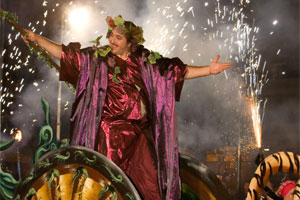
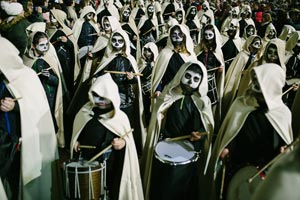
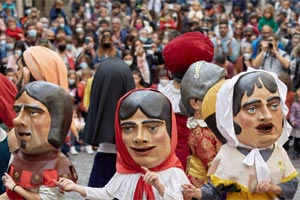
During Dijous Bo, the streets of Inca are filled with food stalls, crafts, local products, and cultural activities. There are also shows, contests, and sports events. It is an opportunity for the local community to showcase their folklore, crafts, and typical products.
The Wednesday Bo precedes the grand celebration on Thursday. It starts in the morning and lasts well into the night. During the day, the streets host markets, children's activities, and exhibitions. The event culminates with a "correfoc" (fire run) and concerts in the streets.
It is one of the most important events in Mallorca and is known for its festive and lively atmosphere. It is a celebration that highlights the culture and tradition of the island.
History
Originally, it was a festive and economic gathering for much of the rural population of Mallorca, primarily known for its market. Today, it has evolved, focusing more on entertainment, while still being economically significant.
Although the exact origin of the fair is not entirely clear, there are two main theories: one of Islamic origin and another related to the establishment of Inca as a Villa by Jaime II in 1301.
According to the chronicler Gabriel Pieras, the festivity dates back to the early 19th century, possibly developed around even older fairs and markets.
What to see in Inca
Inca offers a variety of interesting options and visits:
- Santa María la Mayor Church: Impressive Gothic church with a spectacular facade.
- Footwear and Leather Museum: Exhibits the rich history of footwear and leather industry in the region.
- San Bartolomé Monastery: Ancient monastery housing a beautiful church and museum.
- Plaza de España: Heart of the city, surrounded by charming cafes and shops.
- Inca Market: Famous for local products, crafts, and fresh foods.
- Vi Rei Winery: Visit a local winery and taste wines from the region.
- Alcudia Gardens: A short drive away, a lovely place for a stroll and relaxation.
- Santuari de Cura: Monastery on a hilltop with breathtaking panoramic views.
- S'Avenc de Son Pou: Spectacular caves a short drive away.
- Excursions in the Surroundings: Inca is close to beautiful beaches, charming villages, and natural landscapes.
As always, we recommend checking opening hours and availability before your visit.
What to eat in Inca
In Inca, you can enjoy a delicious variety of typical Balearic dishes. Here are some options:
- Sobrasada: Traditional Mallorcan sausage made from pork and paprika.
- Ensaimada: Fluffy and sweet pastry, typical of the island.
- Tumbet: Vegetarian dish with layers of eggplant, potato, bell pepper, and tomato, baked in the oven.
- Frit Mallorquí: Stew with meat and potatoes, very flavorful and comforting.
- Coca de Trampó: Mallorcan vegetable pizza, with bell peppers, tomato, and onion.
- Arroz Brut: Hearty rice dish with meat, mushrooms, and local spices.
- Lamb à la Mallorquina: Traditional lamb preparation, often cooked with garlic and rosemary.
- Gató: Almond cake typical of the island, served with almond ice cream.
- Hierbas Ice Cream: Unique dessert made with local herbs.
- Local Wines: Try the wines of Mallorca, such as those from the Binissalem designation of origin.
Don't forget to explore local restaurants to discover more regional delights.